Category

Leto Heating & Plumbing Blog

drain services

The Importance of Winter Drain Cleaning: Avoiding Plainfield, IL Cold-Weather Plumbing Issues

By Leto Heating & Plumbing Blog, Plumbing

How winter-ready is your home in Plainfield, IL?

If you’ve had your home heating system tuned up recently, great! Especially since experts forecast the village will experience winter storms.

But what about your drain and sewer system? Have you had it inspected and cleaned? Because if not, there’s no better time than now to schedule it for professional drain services.

But what is the importance of drain inspection and cleaning services during winter? What cold-weather plumbing issues can they help prevent, anyway?

This guide explains the most crucial things you need to know about these plumbing services and their benefits, so read on. 

Keep Your Drain Pipes Free of Clogs

People typically cook more during winter, considering it’s the festive holiday season. But as fun as it is to cook during the holidays, this can lead to an overtaxed drain and sewer system. A primary culprit behind this is cookware and dining ware covered in FOG (fats, oil, and grease).

From Liquids to Solids

While fats, oil, and grease are liquid when hot, they congeal or turn jelly-like as they cool down. Some types can even become solid at room temperature.

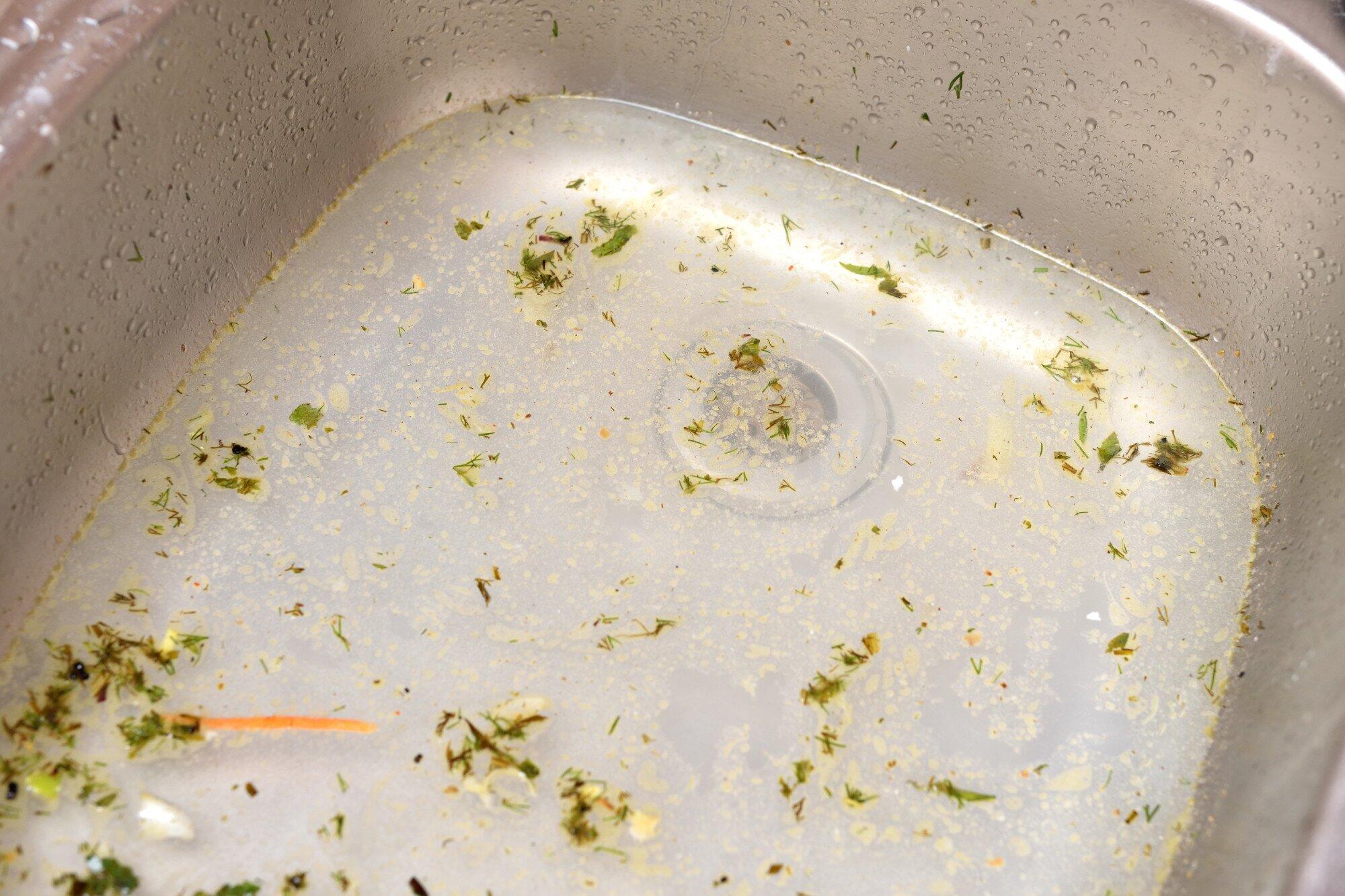
So, if FOG makes its way down your drains, it won’t take long to harden and become a big, clog-causing blob. This can happen way faster during Plainfield’s below-zero winter temperatures. 

How FOG Can Wreak Havoc to Your Drains

As fats, oil, and grease solidify inside your drain pipes, they begin to form a clog. The more FOG that hardens and the longer this happens, the narrower your pipes’ openings become. This restricts wastewater flow from your home to the municipal sewer line.

When that happens, your drains may take much longer to channel wastewater out of your home. They may also produce weird bubbling or gurgling sounds and emit foul odors. Moreover, you may notice these symptoms in multiple drains and toilets. 

Drain Inspection and Cleaning to the Rescue

Don’t wait until you experience the symptoms of drain woes before calling a professional plumber. Instead, schedule a drain inspection and cleaning service ASAP, especially if you haven’t done either in years.

A video drain inspection can reveal if you have clogs in your drains and where they are. This helps the plumber complete a thorough cleaning service.

A video inspection also lets you determine the state of your drainage system from within. For instance, it can reveal interior damages, such as corrosion, cracks, or dislocated joints. If so, you can have the professional repair them ASAP before they worsen. 

Prevent Frozen Drains

Frozen water pipes are common reasons Plainfield homeowners call emergency plumbing services. However, freezing doesn’t just happen to water supply lines; it can also occur in drain pipes.

One way that can happen is if there’s a clog in a drain pipe restricting the path of the wastewater. In this case, some fluids may remain in the pipe, where they can freeze when the temperature drops. Them turning into ice can further restrict the pipe’s narrow interior opening.

So, before that happens, schedule your drainage system for inspection and cleaning. Please don’t wait for the next winter storm to hit. 

Protect Your Pipes From Bursting

Another reason to have a pro inspect and clean your drains is to prevent frozen pipes from bursting.

When fluids that should have left your drain pipes freeze, they become ice that expands. The more wastewater that freezes, the bigger the ice can get. Ultimately, it can become so big it strains the pipes from within, causing it to crack and burst. 

That’s among the worst things that can happen, as a burst drain pipe can lead to the following problems. 

Release of Wastewater Into Your Home

You don’t want wastewater in your home because, at the very least, it’s filthy and smells horrendous. Worse, it’s full of pathogens. These microorganisms can cause infections of the eyes, nose, skin, and gastrointestinal system. 

Water and Mold Damage

Flooding from a burst drain pipe can also result in costly water damage. From there, water-damaged components and materials can promote mold growth.

Molds grow fast, so experts recommend drying water-damaged items within 24 to 48 hours. According to them, this can help keep mold growth at bay.

Molds don’t only look unpleasant; they can also cause adverse health effects. For example, they can irritate the eyes, skin, and nose. People with allergies and asthma are especially at risk.

All that should be a good enough reason to have your drains serviced ASAP. This way, you can reduce your risks of facing such plumbing emergencies and disasters. 

Minimize Risks of Wastewater Backups

Even if frozen or clogged drains don’t burst, they can still cause similar flooding problems. For instance, they can lead to wastewater backups.

Wastewater backups occur when a clog gets so bad it almost or entirely blocks the pipe from within. So, wastewater has nowhere else to go except where it came from. As a result, this filthy water can seep out of sinks, toilets, tubs, and floor drains.

From there, wastewater backing out of your drains can lead to the same issues and dangers as a burst drain pipe.

All that makes knowing when to get your drains cleaned a top priority.

It’s best not to wait to experience the above mentioned symptoms of a clogged drain before calling a pro. Instead, you should ideally have your drains serviced once a year, during fall or winter. This proactive approach can help you keep problems from occurring in the first place. 

Invest in Top-Quality Drain Services Today

Drain services, including inspections and cleaning, can help keep your pipes in top condition. And since drains are a must for sanitation, their working properly also contributes to your family’s health and safety.

So, if you haven’t had your drains serviced for a long time, now’s the time to do so.

Our licensed plumbers here at Leto Plumbing and Heating can help. We proudly service Plainfield and the Chicagoland area and have been doing so for over 20 years.

So, call us today to get a free quote or schedule your service!

water heaters

Protecting Your Pipes: Winter Water Filtration Tips in Plainfield, IL

By Leto Heating & Plumbing Blog

Imagine this: Your family just returned to your Plainfield home after a fun-filled Christmas holiday. Let’s also say it’s snowing, considering the city gets an average of five snowy days every December. So, all you likely want to do at this point is to take a hot shower or bath to warm yourself up.

Unfortunately, you soon discover that your hot taps only produce a thin stream of tepid water. You also hear the unmistakable sound of running water somewhere.

Those are typical signs of burst pipes or problems with water heaters. Fortunately, proper maintenance and winter water filtration practices can help prevent such issues.

In this guide, we’ll discuss what you can do to troubleshoot, fix, and keep such problems at bay, so read on. 

Turn off the Main Water Shutoff Valve

Burst pipes are among the leading causes of water damage insurance claims. In the U.S., about one in 60 insured homeowners file one yearly. The flooding they cause can lead to water damage and potential mold infestation.

So, if you suspect you have leaking or burst pipes, the first thing to do is to close your main water shutoff valve. This completely stops the water supply, preventing any further leaks or flooding. 

What It Looks Like

Your main shutoff valve can be a gate-type, which looks like a wheel, or a ball-type, a levered mechanism. To close a gate valve, rotate its wheel clockwise until you meet resistance. If you have a ball valve, move its lever clockwise to the “CLOSE” position. 

Where It Is

If you’re unsure where the valve is, it may be outside, located near the perimeter of your home facing the street.

If not, and you have a basement, check the interior side of the wall facing the street. It may be on the opposite side of your outdoor hose bib.

If your house is on a slab and you have a water heater tank installed, inspect the area near the latter. The valve may be above or under. 

What’s Next?

Once you’ve closed the valve, test an outdoor bib or an indoor tap to confirm that no more water flows into your home. Then, go to the area where you heard running water before; the sounds should have also disappeared.

If you can’t find any flooded area or think your burst pipes are inside walls or ceilings, it’s time to hire a plumber.

Plumbers in Plainfield, IL, use specialized equipment like listening discs, ground microphones, and thermal cameras. These gadgets allow them to identify and find water leaks that are otherwise hidden. They can then fix the issues immediately after.

Your plumbing contractor may also recommend insulating exposed pipes. This can help protect them from below-zero conditions that can make them freeze and burst. 

Inspect Your Water Heater

Your water heater may be behind your lukewarm water or low-pressure woes. These issues can arise from leaks, sediment build-up, corrosion, or failed heating elements. 

Here are some tips you can follow before you call one of your local Plainfield, IL, plumbers. 

Check Your Heater’s Pilot Light

A water heater’s pilot light is a tiny flame that ignites the gas and makes the burner fire. It should remain lit when the system is on. However, a gust of wind, dirt build-up, misalignment, or a problem with the gas supply can make it go out.

If the pilot light on your heater has gone out, relight it by following the instructions on the side of your unit.

If it lights up but flickers or goes out again, it’s likely dirty or misaligned. There may also be an issue with the gas line restricting supply to your system. In these situations, your best bet is to schedule plumbing repair for your water heater.

You should also pay attention to rotten egg smells. This signals a gas leak, which can cause fires, explosions, and health symptoms.

In that case, immediately turn off the gas supply valve and call your gas supplier and a local plumber. Then, open several windows as you exit your home with everyone (including pets!) and wait for the pros outside. This can help dissipate and prevent the gas from building up inside your home. 

Check Your Heater’s Circuit Breaker

If you’re not getting hot water from an electric heater, its circuit breaker may have tripped. You should find this inside your main electric panel.

Look for the switch for your water heating system to see if it’s in the “OFF” position. If it is, slide it back to “ON.”

Wait 15 to 30 minutes, then try running a hot water tap. If everything goes smoothly, you should have hot water again. 

Flush Your Heater

Flushing your water heater once or twice yearly helps remove sediments. You must do this, as dissolved minerals can clog pipes and form limescale on heating elements. These problems can reduce the system’s heating efficiency and cause low water pressure.

Check your water heating system’s manual for specific manufacturer instructions. You can also hire a plumber to perform this task as part of your heater’s yearly maintenance. 

Consider Installing a Whole-House Water Filter

Tap water may contain impurities, bacteria, and minerals that water filters can remove. You have two primary choices: point-of-use and point-of-entry devices.

A point-of-use filter serves a specific or single fixture, such as a kitchen tap.

By contrast, a whole-house system filters all the water before it enters your home. So, it can also protect plumbing components from clogs caused by minerals and sediments. For the same reason, it can help minimize the risks of blockages that can cause pipes to burst. 

Protect Pipes and Water Heaters With These Tips

Problems with pipes and water heaters can lead to severe issues like leaks and bursting. The latter is especially prevalent during winter.

You can prevent those issues by hiring a professional plumber. They can insulate your pipes, install water filters, and service your system yearly.

So, are you ready to winterize your plumbing system?

Then, our licensed and bonded plumbers at Leto Plumbing & Heating can help! We provide the most reliable plumbing and HVAC services in Plainfield, IL. Call us today, and we’ll happily winterize your pipes and water heater!

professional plumbing

DIY vs. Professional Plumbing Repairs: When to Call a Plumber in Winter in Plainfield, IL

By Plumbing, Leto Heating & Plumbing Blog

The recent DIY trend, which took off in a big way during early pandemic lockdowns, doesn’t seem to be going anywhere soon. Today, around three in four homeowners say they do DIY projects around the house, with younger generations even more motivated than others to avoid calling a contractor.

DIY projects can be cost-effective and even fun, and they’re a great way to tackle basic household tasks without getting anyone else involved. However, there are a few times when you’ll want a pro to take charge. The knowledge and skills of an expert can help you avoid massive headaches down the line!

That’s where professional plumbing contractors can help. Though you can do some basic fixes on your own without causing harm, certain issues should always require a pro. Here’s when to contact a local expert.

Drainage Issues

There are few things more frustrating than a slow-moving drain. Whether water is backing up in your sink or you end up standing in a swimming pool every time you shower, these issues are often signs that something’s going on with your pipes.

If you’re lucky, you may be able to fix the drainage issue on your own with a few basic solutions. Grabbing store-bought drain cleaner or making your own with baking soda and vinegar can help with small blockages near the entrance of the drain. If you have a drain snake or plunger, you might be able to clear even bigger blockages.

However, when these tools fail, calling a plumbing contractor is your best bet. More invasive solutions can often help get your pipes back to functioning order, but these solutions are safest in the hands of a pro. With the right equipment, including high-tech cameras, your local plumber can help you deal with severe clogs or damage to your pipes.

No Hot Water

If you’re not getting hot water in your home, especially in the winter, it can become a nightmare fast. Hot water is a luxury we’ve all come to depend on for everything from hygiene to home cleaning.

Often, the issue lies with your water heater’s settings. Minor troubleshooting on your own might help, so double-check your owner’s manual. In some cases,  checking the breaker box for an electric heater or the pilot light for a gas model might pinpoint the issue.

Beyond this, it’s crucial to call for plumbing repair. Water heaters are complex devices, and countless problems might be the culprit behind your cold water. If you have a faulty tank or a broken part, your plumber will be able to identify and fix it fast.

Major Leaks

If you’re handy with basic tools and feel comfortable with your expertise, you might be able to address minor leaks on your own. Sometimes, tightening various components is the only thing you need to do. Repairing these tiny plumbing leaks is crucial, as even a small drip can result in thousands of gallons of water wasted every year.

On the other hand, some leaks are harder to fix than others.

Leaky shutoff valves are a great example: replacing an older model might require soldering. If you feel in over your head or the leak continues after you’ve tried a fix, call a pro for backup!

This is especially important if you’re struggling to figure out where the water is coming from. Sometimes, a burst pipe or a leak can dampen your flooring or ceiling, for example, and it can be difficult to locate the source. This is even more likely if you’re dealing with a frozen pipe that has poor insulation.

In cases like these, get an emergency plumbing service to address the issue and preserve your home as soon as possible.

Appliance Installations

Bathroom and kitchen remodels can sometimes be DIY tasks, but plumbing changes are not. Unless you have experience with plumbing installation, you shouldn’t try to add new appliances and plumbing features to your home.

It’s not hard to find online tutorials and videos that teach homeowners to do a DIY installation, no matter the type of feature. You can find experts teaching you to add or replace faucets, sinks, and even dishwashers on your own. They’ll even teach you to do repiping when you need your plumbing system expanded for a new addition.

However, we don’t recommend trying any of these tasks at home! These types of installations aren’t as straightforward as you’d think.

It’s crucial to make sure all components fit correctly and are installed well. If not, you might set yourself up for major disasters in the future. Any money you save on the DIY project will be outweighed by the cost of repairs!

In addition, homeowners don’t always realize that you may need a permit for certain plumbing projects, even if you own the home and are doing the work yourself. If you work with a certified plumber, they can help you understand your legal needs and help you get permits as necessary.

Water Line or Sewer Line Fixes

There are two areas of your plumbing that homeowners should never mess with: the water line and the sewer line.

Your main water line is the pipe that carries water into your home. This line should need little plumbing maintenance, as it can last for decades. However, if you notice any issues, such as discolored water throughout your home or low water pressure from every faucet, your water line may be to blame.

Your sewer line carries water away from your home. Because this line is full of bacteria that can impact your health, you should never try to do any repairs to the line. If you notice foul odors, clogs, or leaks from this line, contact an emergency plumbing service right away!

Get the Professional Plumbing You Need

DIY fixes may help you keep simple problems at bay, but you’ll want to call a professional plumbing expert for all of the issues above.

When you’re not sure how to fix your problem, Leto Plumbing & Heating can help. As the one-stop shop for homeowners throughout the Plainfield area, we’ll send our licensed and bonded experts over to tackle your plumbing issues right away. Contact us today for a free estimate!

Plumbing Maintenance

Protecting Pipes from Fall Freezes: Insulation and Prevention in Plainfield, IL

By Plumbing, Leto Heating & Plumbing Blog

As the crisp autumn air settles in, it’s time to prepare the plumbing system in your Plainfield, IL home for winter. Freezing temperatures can wreak havoc on your pipes, leading to costly repairs and potential water damage. 

Plumbing maintenance is the unsung hero for your pipes! Read on to find out more about how you can protect your pipes from fall and winter freezes. We’ve included practical solutions and tips to help you keep the water flowing through even the deepest Midwest freeze.

Why You Can’t Afford to Ignore Your Pipes

Frozen pipes are not just a minor inconvenience. They can lead to a cascade of problems, ranging from burst pipes to extensive water damage and severe financial strain. To underscore the importance of taking proactive measures to protect your plumbing, let’s explore the potential consequences of frozen pipes. 

Burst Pipes

When water freezes, it expands, and this expansion can exert immense pressure on the walls of the pipe. As the pressure increases, it can cause the pipe to rupture. The result is often catastrophic, with water rushing into your home, causing extensive damage to walls, floors, and belongings.

Water Damage

When pipes burst due to freezing, the water damage can be both immediate and long-lasting. It can lead to structural damage, mold growth, and the need for extensive repairs. 

Water damage restoration is not only time-consuming but also expensive. The residual effects can plague a home for years to come.

Financial Strain

Repairing or replacing plumbing can be expensive, and this is often just the beginning. Beyond direct repair costs, there are also expenses associated with water damage restoration, increased utility bills due to leaks, and the potential for skyrocketing insurance premiums.

Being proactive to prevent frozen pipes is not just a prudent choice but an essential one to protect your home, your finances, and your peace of mind during the cold months.

Identifying Vulnerable Pipes: Where to Look for Trouble

If you want to prevent frozen pipes, knowledge is your first line of defense. Identifying the pipes most susceptible to freezing is crucial. Keep an eye on the following areas:

Exterior Walls

Pipes running along or through exterior walls are particularly vulnerable. These walls are exposed to the cold outdoor temperatures. Without proper insulation, the pipes within them can easily freeze.

Crawl Spaces

Pipes located in crawl spaces beneath your home are at risk. They often lack insulation, which exposes them to cold air. Make sure to adequately insulate pipes and seal them.

Attics

Pipes in attics can be prone to freezing since attics are typically less insulated than the rest of your home. Properly insulating and ventilating your attic space can help protect these pipes.

Regularly inspect exterior walls, crawl spaces, and attics for signs of cold exposure. Take proactive steps to insulate and protect your vulnerable pipes to prevent winter plumbing problems.

How to Safeguard Your Pipes From Frost

Properly insulating your pipes is a fundamental step in winterizing your plumbing system. Here are some key insulation materials plumbers recommend:

Foam Sleeves

These pre-cut, flexible foam tubes are affordable and easy to install. They wrap snugly around pipes and provide excellent insulation.

Heat Tape

Heat tape is an electric cable designed to wrap around pipes. It provides controlled, consistent warmth to prevent freezing.

Most Plainfield home improvement stores carry heat tape. Some manufacturers refer to heat tape as heat cables.

Fiberglass Insulation

Available in rolls or batts, fiberglass insulation retains heat. It’s useful for larger areas and attics. Consider using fiberglass to insulate exterior walls.

By selecting the right insulation materials for your pipes, you can fortify your plumbing system against the cold, safeguarding it from potential freezing and damage. 

How to Prevent Frozen Pipes

You heard the old saying, “An ounce of prevention is worth a pound of cure.” Proactive measures go a long way toward preventing serious plumbing problems during the winter. Here are some key strategies:

Maintain Consistent Indoor Temperatures

Keeping your home warm helps transfer heat to your pipes. Set your thermostat to a temperature that ensures all areas of your home (especially those with vulnerable pipes) stay warm.

Let Faucets Drip in Extremely Cold Weather

Allowing faucets along exterior walls to drip slightly can help keep water flowing. Moving water is less likely to freeze. A continuous flow (even at a trickle) can prevent pipe blockages.

Shut Off and Drain Outdoor Faucets 

Before winter sets in, shut off the water supply to outdoor faucets from inside your home. Then, open the faucet outside and drain the remaining water. This simple step can prevent the pipes leading to these faucets from freezing and bursting.

Thawing Frozen Pipes to Prevent Disaster

Discovering frozen pipes can be a nerve-wracking experience. Knowing how to thaw pipes out is essential. Here’s what to do when you have a frozen pipe:

  • Identify the frozen section
  • Turn off the water
  • Use safe thawing methods

You have a few options to safely thaw a frozen pipe. Start by gently warming the frozen section of the pipe with a hairdryer set to low heat. Start at the faucet end and work your way back to the blockage.

If you installed heat tape, follow the manufacturer’s instructions to thaw the pipe safely.

You can also call a professional plumber in the Plainfield, IL area. If you’re uncertain how to proceed or if you can’t access the frozen pipe, it’s best to seek professional plumbing assistance.

We cannot stress enough to never use open flames to help with thawing frozen pipes. This includes propane torches and kerosene heaters. Open flames can cause damage, create fire hazards, and increase the risk of carbon monoxide exposure.

Schedule Plumbing Maintenance Today

Everything we’ve covered here should help you prevent frozen pipes in your Plainfield home. Following our tips when you discover frozen pipes can save you from costly plumbing repairs.

To help prepare not only your pipes but your entire plumbing system, you’ll want to schedule plumbing maintenance.

Leto Plumbing and Heating is the preferred plumbing company in Plainfield, IL. With a team of professionals trained in every aspect of plumbing and heating, there’s no problem too big or too small. Schedule pre-winter plumbing maintenance today.

Ventilation 101: How Proper Ventilation Impacts Air Quality in Plainfield, IL

By Leto Heating & Plumbing Blog

Polluted, poor-quality air is more than a minor annoyance. It is detrimental to our long-term health, as the World Health Organization has stated.

But you might feel that once you’ve left a large town or city’s busy, exhaust fumes-ridden streets, you can seek salvation in the clean air inside your home.

However, that’s not necessarily the case. Pollution and toxins can build up inside, leaving you with poor indoor air quality.

This guide will examine the link between air quality and proper ventilation. Discover the steps you need to take to improve the air inside your home.  

Cooler Months and Your Home Ventilation

When the temperature outside drops, you’ll want to move into hibernation mode. That means cozy, heated homes and keeping windows and doors closed and sealed.

However, when you do that, you dramatically reduce the natural home ventilation you had through the summer months. The result? Poor indoor air quality.

When that happens, you can soon find yourself surrounded by contaminants that cannot escape.

Cooking on stoves or burning wood on a fire can leave a room full of smoke and toxins. All this can aggravate those suffering from allergies or eczema.

In addition, poor ventilation increases the moisture in your home. A warm, humid environment with stale air can increase your chance of mold.

What Makes up Poor Air Quality? 

The air we breathe contains smaller particles of pollutants. However, the presence and concentration vary. But these pollutants can be a variety of troublesome particles, including pollen, dust, chemicals, or vehicle emissions. 

When your home lacks ventilation, these pollutants become trapped in a small space. Sometimes, you can even feel the poor air quality, like coughing or sore, dry eyes.

In Plainfield, IL, the local weather means you get high humidity. Here, mold will be of most concern. Regional vegetation can also release allergens into the air that can get into your home. 

Though some small efforts – like cleaning to remove dust – will help, it doesn’t address the accumulation of toxins over time in an enclosed space. 

You can buy indoor air quality monitors to help you measure the problem. These gadgets will detect VOCs and carbon dioxide levels.

They also measure humidity and room temperature. So you get a comprehensive overview of your air quality indoors. 

Home Activities and Air Qualities

There are a few activities that can negatively impact your air quality. Cooking is one. An exhaust fan can help improve this, or you can leave windows open during and after cooking a meal.

Burning wood on a fire or candles also impacts your air quality. Beeswax or soy candles have a cleaner burn, so opt for these where possible.

Some cleaning agents and air fresheners can impact your air quality. Check the ingredients on bottles and use ones made with natural ingredients. When cleaning, open the window to allow more fresh air.

Your heating unit can release pollutants, but you can counter this by replacing filters. You should also consider investing in an air purifier.

Some hobbies can impact your air quality. That might include craft activities or decorating, both of which can release fumes.

The Role of Proper Ventilation in Homes

The fight against indoor air pollution begins with ventilation. That is crucial throughout the year, but particularly in the colder months. That’s because you won’t have the natural ventilation from open windows. 

Ventilation ensures you get a continuous circulation of indoor and outdoor air running through your home.

It dilutes the pollutants and ensures they don’t accumulate. For example, that will reduce the concentration of things like toxins from cooking.

So your home will feel fresher, and you won’t get high readings on carbon dioxide and other measurements if you use an air monitor.

In cooler months, your challenge is keeping the house warm while maintaining high ventilation levels. There are several ways you can do that.

First, you can ensure your HVAC unit is well-maintained and change the filters as part of any service. Check whether yours has a heat recovery ventilator.

That provides ventilation without losing warm inside air. It removes the stale air from your home efficiently.

In small, humid spaces like bathrooms, add an exhaust fan. It will help remove air and moisture, preventing mold from growing.

If you can, open the windows briefly to increase the ventilation in your home. A good time to do this is after cleaning or cooking. An exhaust fan above your cooker is also a good idea.

Sealing your home is also essential. That will help keep your home warm and ensure your ventilation system works efficiently.

Ventilation and Energy Efficiency

Having an energy-efficient home is vital for the environment and better for your energy bills.

When ventilating your home, you’ll need to strike a balance. You want to ensure you aren’t overheating an indoor space to counter cold air from the outside.

The best way to get that balance is to use modern, energy-efficient heating systems with good ventilation. It will help optimize the temperature in your home, boosting air quality while keeping a comfortable temperature.

You can also take steps, like using smart technology to switch off heating systems when you are away from home for the day.

Keeping Your Heating System: Scheduling Maintenance

You should schedule maintenance dates to ensure your heating and ventilation systems stay in good working order. A broken or poorly performing ventilation system will leave you with an air quality issue.

Book a professional to change or clean filters and inspect the system for blockages. Do this before you hit the winter months, when you’ll rely on your systems to work efficiently.

A well-maintained ventilation system will extend the lifespan, helping you save money in the long run. 

Make a Positive Impact On Your Indoor Air Quality

As you can see, indoor air quality can suffer from the pollutants surrounding us in modern life. Proper ventilation is integral to keeping indoor air clean and safe.

It’s crucial you check your ventilation in Plainfield, IL, is working effectively. So book a service with our team at Leto Plumbing and Heating now.

call a plumber

DIY vs. Professional Plumbing Repairs: When to Call a Pro in Plainfield, IL

By Plumbing, Leto Heating & Plumbing Blog

Drip. Drip. Drip. It’s the last sound you ever want to have to keep you up at night. Not only does that leak spell potential plumbing problems, but it’s going to cost you now or later.

Plumbing calls cost approximately $331 on average. If you feel handy enough, you can take on some of your own plumbing projects to cost costs and take care of your property.

But how do you know whether to go DIY or hire a pro?

These tips will help you know when to call a plumber and when to do it yourself.

DIY Plumbing

If you’re so inclined, there are some projects where it’s perfectly OK to do it yourself. These projects are low risk and easier for someone without plumbing repair experience to handle.

Here are some of the things to consider:

Minor Plumbing Fixture Repairs

There are several minor plumbing fixes that you can handle on your own. This includes things like changing the chain in your toilet, swapping out shower heads, and snaking a minor sink clog.

A trip to the hardware store and a few YouTube videos might be all you need to get the job done. This saves you the trouble of having to call a plumber, and the work will inevitably also be less expensive.

Consider the magnitude of the work before hiring a plumber and decide whether it constitutes a minor or major repair.

General Maintenance and Troubleshooting

There are also some general maintenance steps that’ll keep your plumbing in tip-top shape. You can do things like tightening your faucets, using a plunger on your drain, inspecting your drain for leaks with the food coloring test, and installing mesh covers over your drain.

These are projects that don’t cost you a lot and will help you make sure that your plumbing is working the way that it should. You’ll give yourself a shot at keeping up with your plumbing for the next several years and can make owning these fixtures less expensive because they’ll work better.

Always Be Honest About Your Capability

The most important thing you can do is take an honest assessment of your handy abilities. It’s one thing to be ambitious, but you will end up spending more money and creating bigger messes if you bite off more than you can chew.

Even worse, you might find yourself with unusable plumbing fixtures in the meantime. If the project seems too daunting or time consuming, don’t hesitate to call a plumber instead.

When to Call a Plumber

So, when is it best to hire a plumber? Working with professional plumbers is almost always the best course of action to take when you’re having any sort of issues.

Consider these points and decide against the DIY route if this is what you’re facing:

The Plumbing Work Needed Is Extensive

There are several plumbing projects that you should leave to a licensed professional. Things like pipe bursts, plumbing system backups, and installing new plumbing fixtures are chief among these.

Even some seemingly simple repairs affect your plumbing more than you think and require the help of an experienced professional. For instance, you should almost always hire the help of a professional plumber to fix clogs in your home.

The clog might affect your water pressure and different parts of your plumbing system more than you can immediately tell.

Hire a Plumber for Detailed Inspections

It’s always best to have a plumber inspect your system no less than once per year. This lets you know the condition that your systems are in, and whether or not you need more serious service.

It’s better to hire a pro for inspections rather than making this a DIY plumbing repair since they have years of experience and a skilled eye. They’ll be able to catch serious issues and let you know what kind of work you need to get done to manage your plumbing.

Hiring a professional for an inspection lets you keep your plumbing working through all seasons, particularly the wintertime when things like frozen pipes are faulty water heaters are commonplace.

Emergency Plumbing Situations

Your plumbing problems are definitely out of your hands when they catch you off guard and have the potential to create serious damage. Plumbing emergencies require the help of a contractor who can handle these most pressing problems.

They can assist with things like pipe bursts, damage to the water line, water heater breakdowns during the winter, and septic issues. Contacting a plumber as soon as the emergency arises can help you mitigate the issue and save some money overall.

This might also involve an insurance claim, so get in touch with your homeowner’s plan provider to get the process started.

Call a Plumber to Get Help

Don’t wait too long to call a plumber when you’re in need of professional assistance. When you find a plumber that does excellent work, your home will be taken care of.

It’s important to use some discretion so that you know when you can do it yourself and when you should hire professionals instead. Working with plumbers can benefit you by making sure you get the best service to maintain the function and structural integrity of your home.

If you’re in the Plainfield area and need help, Leto Plumbing & Heating Inc. can assist you with your plumbing service. To schedule an appointment for service, contact us today.

plumbing contractor

4 Signs You Need To Hire an Emergency Plumbing Service in Plainfield, IL

By Plumbing, Leto Heating & Plumbing Blog

Plumbing emergencies can strike at any time. At best, these can be an inconvenience, at worst they could bring potential damage to your home.

Some plumbing issues can be managed with regular maintenance and minor repairs. Other situations call for immediate attention from a professional emergency plumbing service.

If you reside in Plainfield, IL, it is crucial to recognize the signs that indicate you need to call in expert help promptly. What are the four key signs that indicate the need to hire a plumbing contractor? 

Read on and we’ll walk you through what you need to know. 

1. Burst Pipes or Major Leak

A burst pipe or a major water leak is undoubtedly one of the most urgent plumbing issues. It requires immediate attention.

Not only can these problems cause severe damage to your property, but they can also lead to skyrocketing water bills. As well as potential health hazards from mold growth.

If you notice a sudden drop in water pressure, damp spots on walls or ceilings, or pooling water in your home, it is crucial to call a local plumbing contractor right away.

Professional plumbers have the expertise and equipment to locate and repair the source of the leak efficiently, preventing further damage to your property.

2. Sewage Back-Up

A sewage backup is another hazardous plumbing problem that demands immediate action.

Foul smells, gurgling sounds coming from drains, or water backing up in sinks, toilets, or showers are signs of a possible sewage system blockage.

Ignoring such signs can lead to health risks and damage to your plumbing system. Emergency plumbers are equipped to handle sewage issues safely and effectively. They can clear the blockages and ensure the proper functioning of your sewage system to prevent any further contamination.

3. Loss of Hot Water

A sudden loss of hot water can be frustrating, especially during cold seasons.

While some hot water heater issues may be resolved by simple troubleshooting, others may require the expertise of a professional plumber.

A malfunctioning water heater can be caused by various factors. These could include a faulty heating element, a broken thermostat, or sediment buildup in the tank.

An emergency plumbing service can diagnose the problem promptly and either repair or replace the water heater as needed, ensuring you have access to hot water again.

4. Frozen Pipes

In regions with cold winters like Plainfield, IL, frozen pipes are a common problem. When water freezes inside the pipes, it expands, putting tremendous pressure on the pipe walls, which can lead to bursts.

Burst pipes not only cause water damage but can also leave you without a water supply until the issue is resolved. If you suspect that your pipes have frozen or if you experience low or no water flow during winter, contact an emergency plumbing service immediately.

Professional plumbers can thaw frozen pipes safely and take preventive measures to avoid future occurrences.

Reasons to Hire a Plumbing Contractor

Plumbing emergencies can be stressful and disruptive to your daily life. When faced with any of the four signs discussed above, it is essential to act quickly. If you’ve found yourself in one of these situations, seek the services of a plumbing contractor in Plainfield, IL, such as Leto Plumbing & Heating.

Need help right away? Give us a call for immediate assistance. 

815-393-5505