#1 Indoor Air Quality Service Provider in Plainfield, IL
Indoor air quality services from Leto Plumbing & Heating are like a breath of fresh air!
Leto Plumbing & Heating: Plainfield's Premier IAQ Solutions
People spend roughly 90% of their time indoors, where the air is two to five times more polluted than it is outside. This is why it is critical to put in place the proper indoor air quality measures to ensure that your family is breathing clean air.
Leto Plumbing & Heating has the HVAC services you need to keep your Plainfield, IL home or business protected from outside bacteria and pollutants. Call us today for a free estimate on our trustedindoor air quality services and cleanings.
Request A Free Quote

Benefits of Improving Indoor Air Quality
Even if you love to spend your time outdoors, your house is your safe haven from the extreme weather. You need a cool, comfortable place to rest, which requires clean temperature-controlled air. The following are the most important benefits of having good indoor air quality:
Lower utility bills
Breathe easier
Sleep better
Remove allergens and pollutants
Eliminate odors
Leto Plumbing & Heating understands what it takes to provide high-quality heating, cooling, and air filtration all year. Call today to schedule an appointment for HVAC maintenance or cleaning to improve the quality of your indoor air.
Common Indoor Air Pollutants and Their Health Effects
Indoor air pollution can have serious health consequences. People who are exposed to indoor air pollutants for the longest periods of time are frequently those who are most vulnerable to the effects of indoor air pollution.
This includes children, the elderly, and people suffering from long-term (chronic) illnesses. The following are some of the most common indoor air pollutants that can cause serious health problems:
Carbon monoxide can have a variety of effects depending on how much is breathed in. It can impair coordination, aggravate heart conditions, and cause extreme fatigue, headache, confusion, nausea, and dizziness. Extremely high levels can be fatal.
Low levels of exposure may aggravate symptoms in people with asthma and chronic obstructive pulmonary disease (COPD). Other respiratory infections may also be exacerbated by nitrogen dioxide.
Radon is a radioactive gas that seeps into your home from the soil and rocks beneath it. Radon can enter a home through foundation cracks, walls, drains, and other openings. Home radon exposure is the second leading cause of lung cancer.
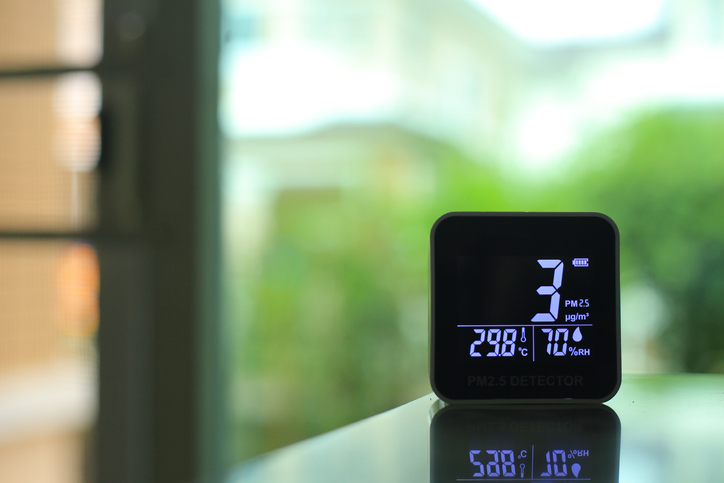
The best way to protect your home from these toxic air pollutants is to ensure your HVAC system is regularly cleaned and maintained. At Leto Plumbing & Heating, we can help! Call us today to schedule a free estimate on our indoor air quality services!
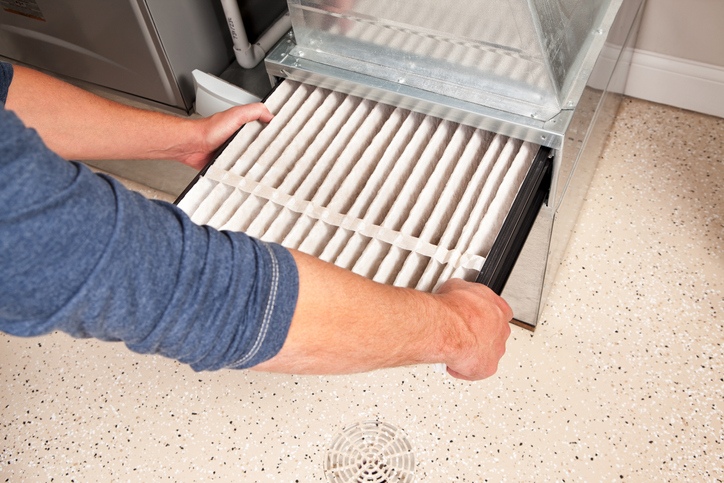
How Can I Improve my Indoor Air Quality?
You can improve your indoor air quality right away with a little preventative maintenance and some basic knowledge by following these tips:
Change your AC filter
Clean filters in other appliances throughout your home
Check your air ducts
Keep rugs and carpets clean
Keeping your home’s air clean and breathable requires diligence and preventative maintenance. Consider scheduling an appointment with a Leto Plumbing & Heating professional now that you’ve learned a few simple steps you can take to reduce indoor air pollution. To help keep your air clean, we offer a variety of service plans that include AC filter replacement and other services. Contact us today to rest assured that the air in your home is clean and safe.

WHY CHOOSE LETO PLUMBING & HEATING?
Easy Payments & Low Financing Options
Flexible & Convenient Scheduling
Family Owned & Operated
BBB A+
Free Estimates*
*Call for Details.
Background-Checked Employees
We Proudly Service Plainfield, Naperville and Surrounding Areas
air purifier, heat, duct, plumbing, mold, indoor air quality, health, pollution, air pollution, humidifier, humidity, dust, ventilator, air filter, allergy, dehumidifier, bacteria, furnace, ultraviolet, energy, dander, accessibility, asthma, air conditioning, pollen, mildew, disease, virus, thermostat, warranty, illinois, particulates, fatigue, mold remediation, commercial hvac services, air conditioning services, heating and cooling, air conditioning repair, duct cleaning, dryer vent cleaning, hvac, air duct cleaning, heating, construction, respiratory disease, pump, organic compound, smoke, soil, mite, budget, moisture, airflow, pet, irritation, expert, disinfectant, metal, inspection, employment, radon, water, minimum efficiency reporting value, boiler, emergency service, utility, contamination, electricity, hepa, heat exchanger, odor, energy recovery, email address, hvac services, water heater installation, schedule service, air duct system, water heater repair, hvac service, duct services, air conditioning service, heating system, compressor, condenser, leak, scrubber, refrigerant, light, evaporator, zip code, customer, payment, credit, technician, pipe, climate, attention, air handler, experience, javascript, noise, filtration, brand, air quality services, quality, vent, air filtration systems, heat recovery, ventilators, air quality, fresh air, air duct, filters, cooling system, iaq, schedule, air filters, air conditioning system, water heater, indoor air, air quality index, information, data, building science, oak, environmental protection, oregon, california
Frequently Asked Questions
How can ventilation systems affect energy bills?
Proper ventilation systems can reduce energy bills by improving indoor air quality, controlling humidity, and enhancing the efficiency of HVAC equipment. Well-designed ventilation helps maintain comfortable temperatures while minimizing the energy required for heating and cooling.
What ventilation solutions suit local climate best?
High-efficiency HVAC systems with advanced air filtration to remove pollutants and allergens.
Whole-home humidifiers and dehumidifiers to maintain optimal indoor humidity levels.
Ventilation systems that bring in fresh outdoor air and improve indoor air circulation.
Are energy recover ventilators cost-effective long-term?
Energy recovery ventilators (ERVs) can be cost-effective long-term by reducing energy costs and improving indoor air quality. ERVs transfer heat and moisture between incoming and outgoing airstreams, minimizing HVAC system loads and improving efficiency.
Which buildings benefit most from air quality tests?
Buildings that often benefit most from indoor air quality testing include schools, hospitals, nursing homes, and office buildings where occupants spend significant time indoors. Testing can identify pollutants and guide improvements to ventilation and filtration systems.
What specific services do ventilator installations offer?
Ventilator installations can provide improved indoor air quality by removing pollutants, regulating humidity, and enhancing ventilation for better air circulation and respiratory health. They can also help reduce energy costs by optimizing HVAC efficiency.
Can improved ventilation reduce allergy symptoms?
Yes, improved ventilation can help reduce allergy symptoms by removing indoor allergens and pollutants from the air. Proper HVAC system maintenance and air filtration can enhance indoor air quality and provide relief for allergy sufferers.
How do various ventilation systems differ?
Different ventilation systems vary in the way they circulate and filter air. Typical options include central HVAC, window units, ductless mini-splits, and energy recovery ventilators which exchange stale indoor air with fresh outdoor air.
Which ventilation systems work best for allergies?
The best ventilation systems for allergies typically include:
High-efficiency particulate air (HEPA) filters to trap allergens
Dehumidifiers to control moisture and reduce mold growth
Air purifiers with HEPA and activated carbon filters
Balanced mechanical ventilation systems that introduce fresh outdoor air
What maintenance do air purifiers require?
Regular filter replacements, typically every 6-12 months, to maintain optimal performance.
Cleaning the air purifier's exterior and interior components to prevent dust buildup.
Checking the air quality sensor, if equipped, to ensure it's functioning properly.
Monitoring the filter life indicator, if available, to know when to replace the filters.
Can ventilation upgrades improve property values?
Ventilation upgrades can improve property values by enhancing indoor air quality, increasing energy efficiency, and addressing potential health and safety concerns. These improvements are appealing to prospective buyers and can contribute to a higher selling price.
How often to service ventilation systems?
Ventilation systems should be serviced annually or as recommended by the manufacturer to ensure optimal performance and indoor air quality.
Regular maintenance includes cleaning or replacing filters, inspecting ductwork, and verifying proper airflow and system operation.
More frequent service may be required in high-use or high-dust environments to maintain efficiency and air quality.
What signs indicate poor air quality?
Signs of poor indoor air quality include increased allergy symptoms, frequent illness, musty odors, excessive dust, and condensation buildup. Maintaining HVAC systems and using air purifiers can help improve indoor air quality.
How do pollutants vary by location?
Indoor air quality can vary significantly based on location. Factors like local industry, traffic patterns, construction, and natural geography can all affect the types and levels of indoor pollutants. Proper ventilation and filtration are crucial to maintaining healthy indoor air in any environment.
What local companies offer air quality services?
Leto Plumbing & Heating provides indoor air quality services in Plainfield, IL and surrounding areas, including filter replacement and other HVAC services to improve air quality in homes and businesses.
Does increased ventilation affect humidity levels?
Yes, increased ventilation can affect humidity levels. Improved air circulation helps reduce indoor humidity by removing moist air from the building and replacing it with drier outside air.
How do air quality standards vary locally?
Air quality standards can vary significantly by location due to differences in environmental regulations, industrial activities, and regional climate factors. Local authorities may set specific thresholds for pollutants like particulate matter, ozone, and nitrogen oxides to protect public health.
Can smart thermostats regulate indoor air?
Yes, smart thermostats can help regulate indoor air quality by automating temperature and humidity control, while providing air filtration monitoring and scheduling. They optimize HVAC system performance to maintain comfortable, healthy indoor environments.
Do local schools monitor air quality?
Many schools monitor indoor air quality to ensure a healthy learning environment. This may include regular testing for pollutants, ventilation assessments, and implementing air purification systems as needed.
What filtration systems improve air quality?
Here are some filtration systems that can improve indoor air quality:
High-efficiency particulate air (HEPA) filters remove 99.97% of airborne particles as small as 0.3 microns.
Carbon filters absorb odors, gases, and volatile organic compounds (VOCs) to purify the air.
UV light air purifiers kill bacteria, viruses, and mold spores to sanitize the air.
How does air quality impact local health?
Polluted indoor air can negatively impact health, causing respiratory issues, cardiovascular problems, and neurological symptoms like headaches and fatigue. Improving air quality through HVAC services and filtration helps reduce these risks.
Are silent ventilation systems available locally?
Yes, Leto Plumbing & Heating offers silent ventilation systems for residential and commercial properties in the Plainfield, IL area. They provide HVAC services to improve indoor air quality and comfort.
How do local weather patterns affect ventilation?
Local weather patterns can significantly impact ventilation. Temperature, humidity, wind, and precipitation all influence the movement and quality of indoor air. Proper ventilation must account for these changing environmental factors to maintain optimal indoor air quality.
Can local regulations affect ventilation options?
Yes, local building codes and regulations can impact ventilation options for homes and businesses. Factors like minimum airflow requirements, ductwork specifications, and energy efficiency standards may limit the available ventilation systems.
What diagnostics assess indoor air contaminants?
The most common indoor air quality diagnostics include:
Particulate matter testing to measure airborne dust, dirt, and smoke
Volatile organic compound (VOC) testing to detect off-gassing from household chemicals
Carbon monoxide and carbon dioxide monitoring to assess ventilation effectiveness
Mold and mildew inspection and testing to identify microbial growth
Radon testing to detect radioactive gas levels
Do pets significantly impact air quality?
Pets can impact indoor air quality due to dander, hair, and other byproducts. Proper air filtration, regular cleaning, and ventilation help mitigate pet-related air quality issues. Consulting HVAC professionals can identify solutions for better indoor air in pet-owning homes.
How do cooking habits influence air quality?
Cooking activities can release various pollutants into indoor air, including particulate matter, volatile organic compounds, and combustion byproducts. Proper ventilation, such as using a range hood, and choosing low-emission cooking methods can help improve indoor air quality.
Are local homes prone to specific pollutants?
Yes, common indoor air pollutants in Plainfield, IL homes include radon, dust, mold, pet dander, and volatile organic compounds. Regular HVAC maintenance and air filtration can help improve indoor air quality.
How do local flora affect indoor air?
Local flora can impact indoor air quality through pollen, spores, and other organic compounds that may enter buildings. Proper air filtration and ventilation can help reduce the effects of outdoor air pollutants on indoor environments.
Can plants improve local indoor air quality?
Yes, certain houseplants can help improve indoor air quality by removing airborne pollutants and increasing oxygen levels. Some effective air-purifying plants include peace lilies, English ivy, snake plants, and spider plants.
Do local businesses prioritize air quality management?
Local businesses often prioritize indoor air quality management to improve employee health, comfort, and productivity. Effective HVAC systems, air filtration, and ventilation help maintain clean, comfortable air in commercial spaces.
indoor air quality plainfield il, indoor air ventilator plainfield il, indoor air quality lemont il, indoor air cleaners plainfield il, indoor air cleaner plainfield il, indoor air ventilator installation plainfield il, indoor air quality services plainfield il, indoor air quality products plainfield il, indoor air filtration plainfield il, indoor air quality downers grove il, indoor air quality oak brook, indoor air quality bolingbrook, indoor air quality oak brook il, indoor air ventilator installation services plainfield il, residential indoor air quality plainfield il, indoor air ventilator products plainfield il, air quality plainfield il, indoor air humidifier plainfield il, indoor air quality shorewood il, indoor air quality willowbrook il, indoor air quality plainfield, indoor air quality mendon il, indoor air quality darien, indoor air quality plainfield solutions, asthma indoor air new lenox il, asthma indoor air new lenox illinois, lemont iaq improvement services